

EU-India FTA Expected to Influence Sustainable Apparel Sourcing for European Brands
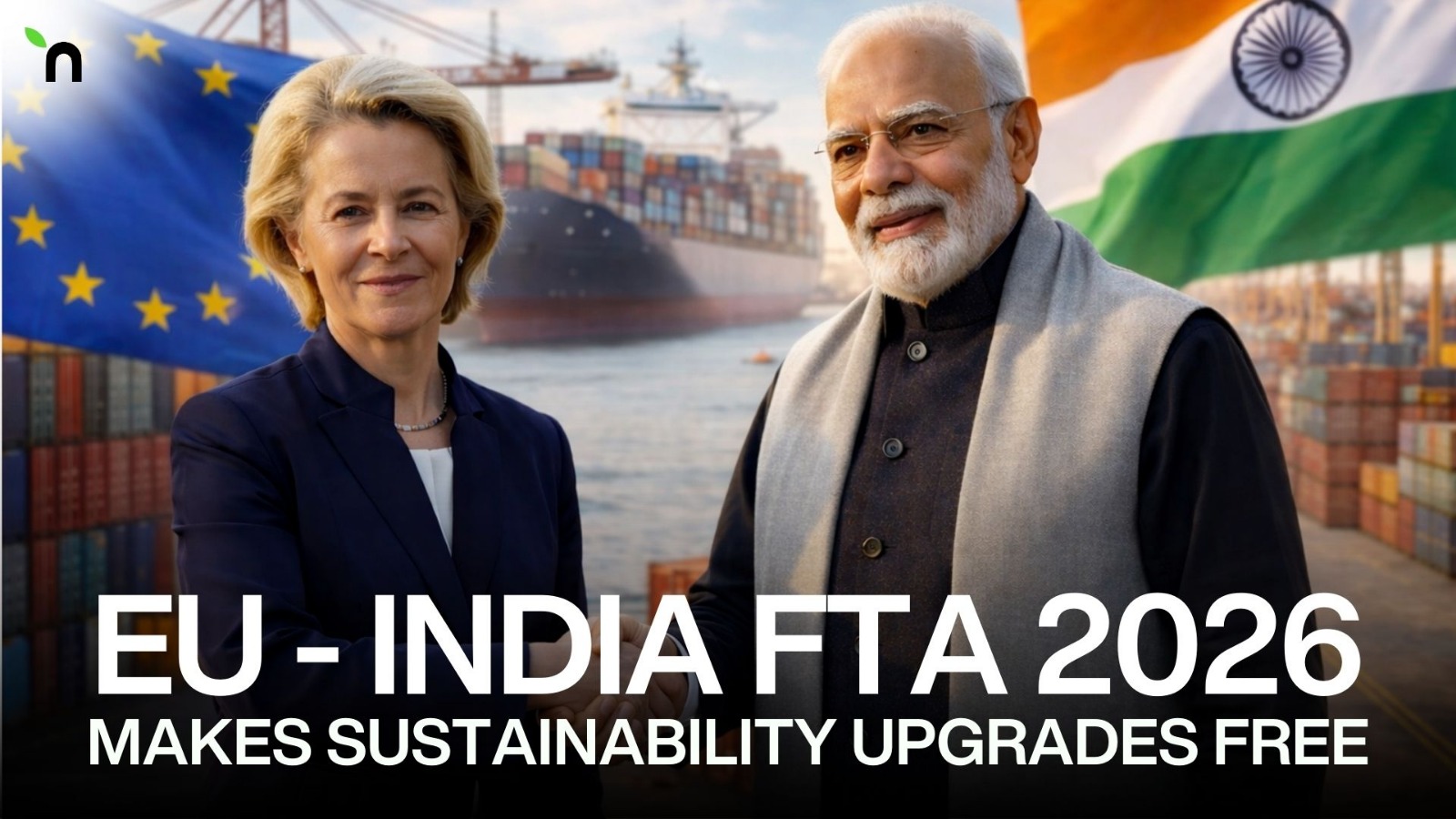
How the EU-India FTA Makes Sustainability Upgrades "Free"
How the EU-India FTA Makes Sustainability Upgrades Free

NoName Clothing Manufacturers
EU-India FTA enables European fashion brands to upgrade to certified sustainable fabrics using duty savings, achieving Italian quality at Indian prices.
The Shift from Synthetics to Soil
For decades, China and Vietnam dominated synthetic textiles. Today, India is positioning itself as a key partner in the EU’s green transition. Its strength lies in natural fibres like cotton, linen, bamboo, and hemp.
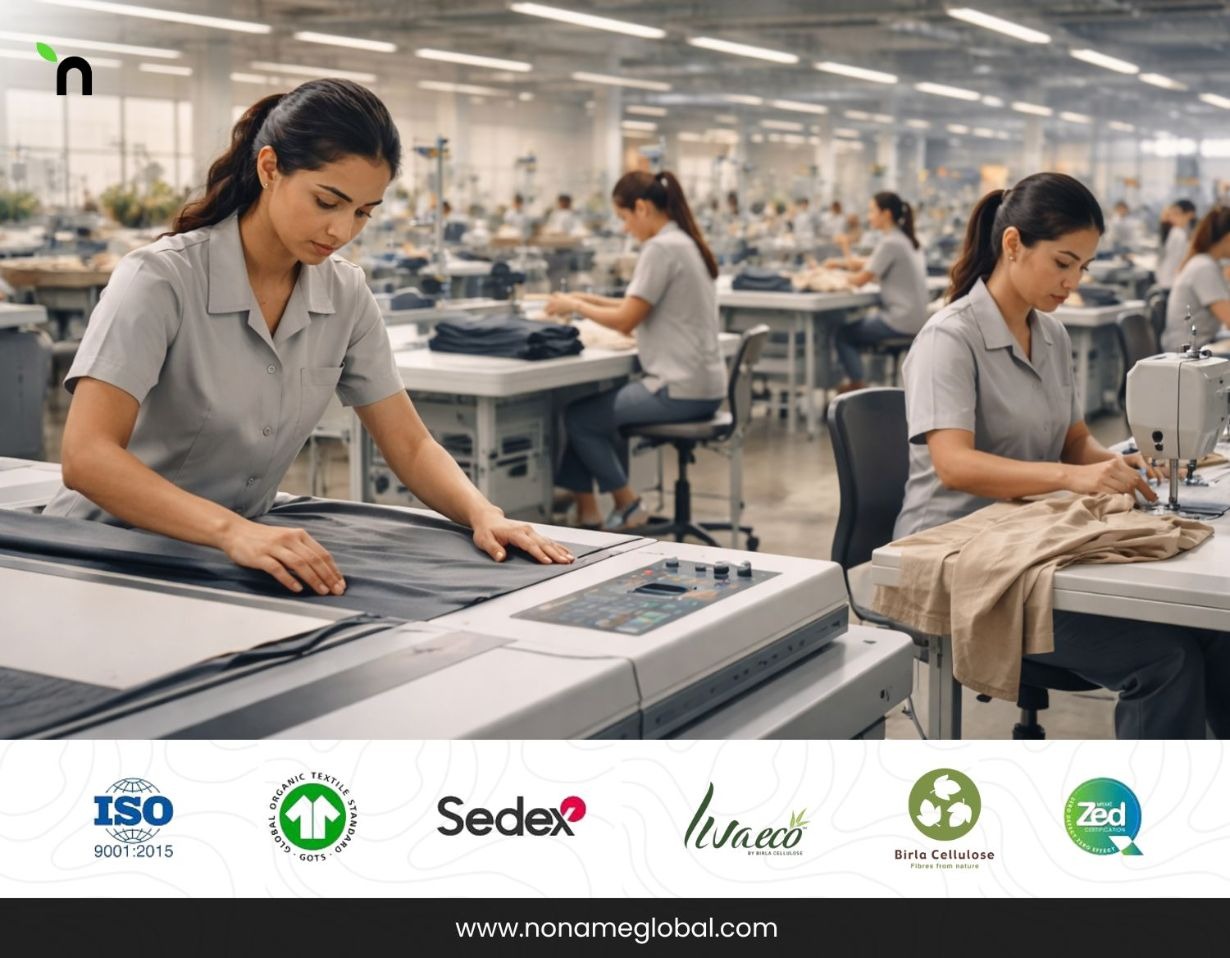
Industry leaders reinforce this shift. Arvind Ltd continues to invest in sustainable denim and earth-based materials, while Aditya Birla Group sets benchmarks with fibres like Liva Eco and Birla Excel. Together, they highlight India’s role in building a lower-impact fashion future.
Turning Duty Savings into Sustainable Value
EU brands currently pay close to 10 to 12 percent import duty when sourcing from India. Once the FTA is active, these duties are expected to be removed. This creates a clear opportunity.
NoName’s Smart Sourcing strategy allows brands to redirect these savings into better materials. The duty reduction can offset the 10 to 15 percent premium of certified fabrics such as GOTS, FSC, or Oeko-Tex, keeping final landed costs unchanged while upgrading sustainability.
The Economics of Better Fashion
“The discussion around trade deals often focuses on margins,” says Kalpana Agrawal, Founder of NoName Global. “We see it as a chance to raise quality and ethics. When duty costs disappear, brands can invest that saving into organic and certified fabrics without increasing prices.”
For many European startups, this makes premium natural fabrics commercially viable for the first time.
The Sustainability Dividend for EU Brands
With the FTA, duty savings effectively act as a built-in subsidy for sustainable sourcing. Brands can move away from conventional materials and adopt organic linen, cotton, or cellulosic fibres without pricing themselves out of the market.
This shift allows European labels to compete on quality comparable to Italy, while maintaining cost structures closer to Asia.
Closing the Gap for Small and Mid-Sized Brands
Large Indian manufacturers already serve global retail giants, but emerging brands often struggle with high minimums and limited flexibility. This has left many sustainability-driven SMEs underserved.
Agile partners like NoName address this gap by aggregating demand and sourcing from the same premium mills used by major exporters. This gives smaller brands access to India’s textile infrastructure without scale-related barriers.
About the Industry Shift
The evolving EU-India trade relationship signals a move away from disposable synthetics toward durable, natural-fibre-based fashion. As Indian mills align with European SMEs, supply chains become more resilient, ethical, and transparent.
Removing the Barriers to Entry
Beyond tariff changes, the India-Middle East-Europe Economic Corridor is expected to cut transit times by up to 40 percent. This positions India as a faster alternative to traditional near-shore hubs.
NoName supports this shift with an SME-focused production model:
Fixed sampling costs of €150 to €200 per style
Sampling lead times of 21 to 30 days
Bulk production within 45 to 60 days
Logistics optimized for faster Indo-European routes
About The NoName Company
NoName is a sustainable contract manufacturer based in India, helping global fashion brands navigate modern supply chains through a transparent, asset-light approach. By combining small-batch flexibility with export-grade quality, NoName enables European brands to benefit from the next phase of EU-India trade while making sustainability commercially practical.
Pankaj Agrawal
Celestial Corporation
+91 96505 08508
pankaj@celestialfix.com
Visit us on social media:
LinkedIn
Instagram
Facebook
YouTube
Italian Quality at Indian Prices: How the EU-India FTA Makes Sustainability Upgrades "Free"
Legal Disclaimer:
EIN Presswire provides this news content "as is" without warranty of any kind. We do not accept any responsibility or liability for the accuracy, content, images, videos, licenses, completeness, legality, or reliability of the information contained in this article. If you have any complaints or copyright issues related to this article, kindly contact the author above.
